

Multidisciplinary designer
Product Design Lead creating fintech, AI, and emerging tech products—from early ideas through launch and growth.
WORK WITH ME ↗︎

HIGHLIGHTS
[ VIEW MORE WORKS ]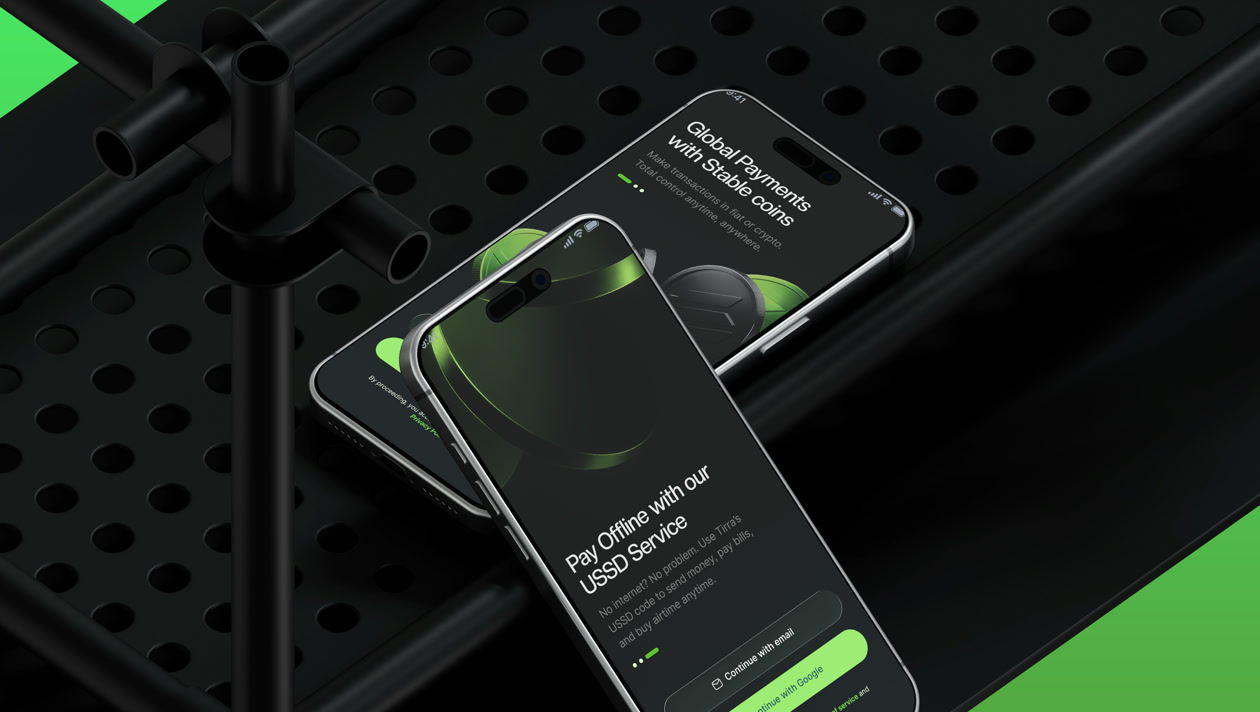 Fintech
01 / 06
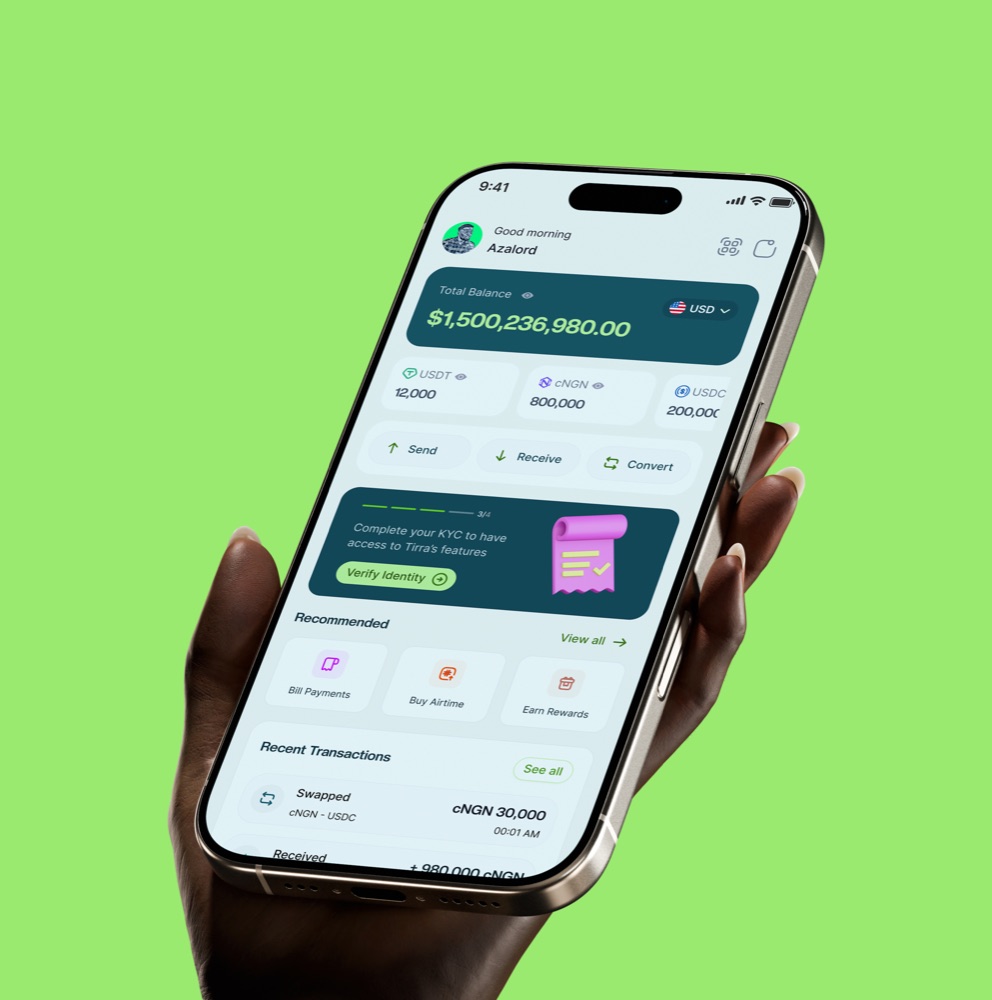
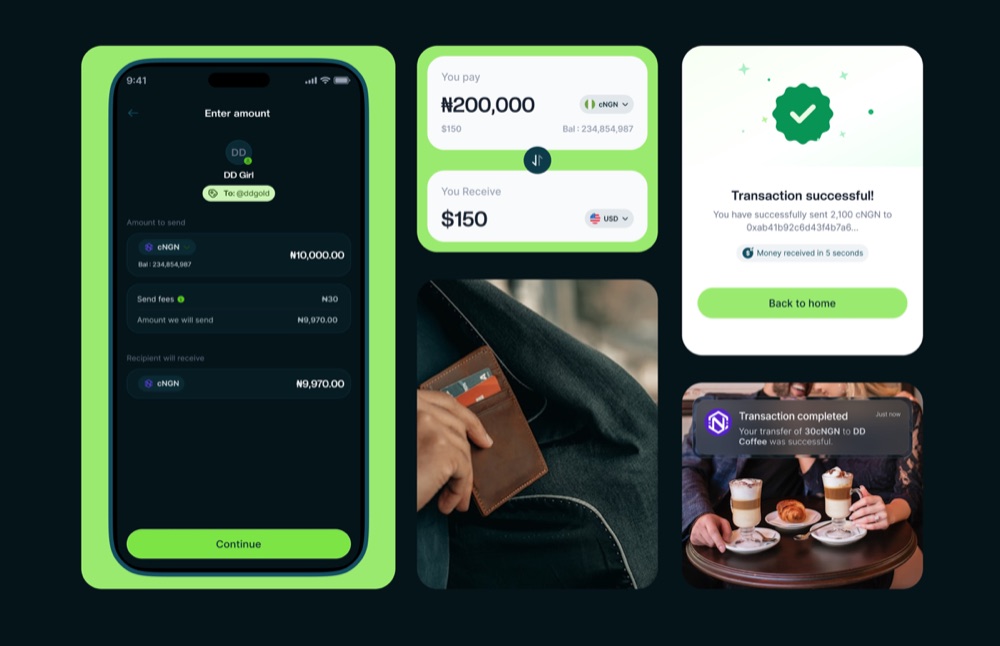
Tirra
600+ waitlist · 1k+ beta transactions
02 / 06
MSQ Design System
40% faster design-to-development handoff
03 / 06
MUST Fintech
Leading 2 Web3 products and a shared token ecosystem
 Brand & Web
04 / 06
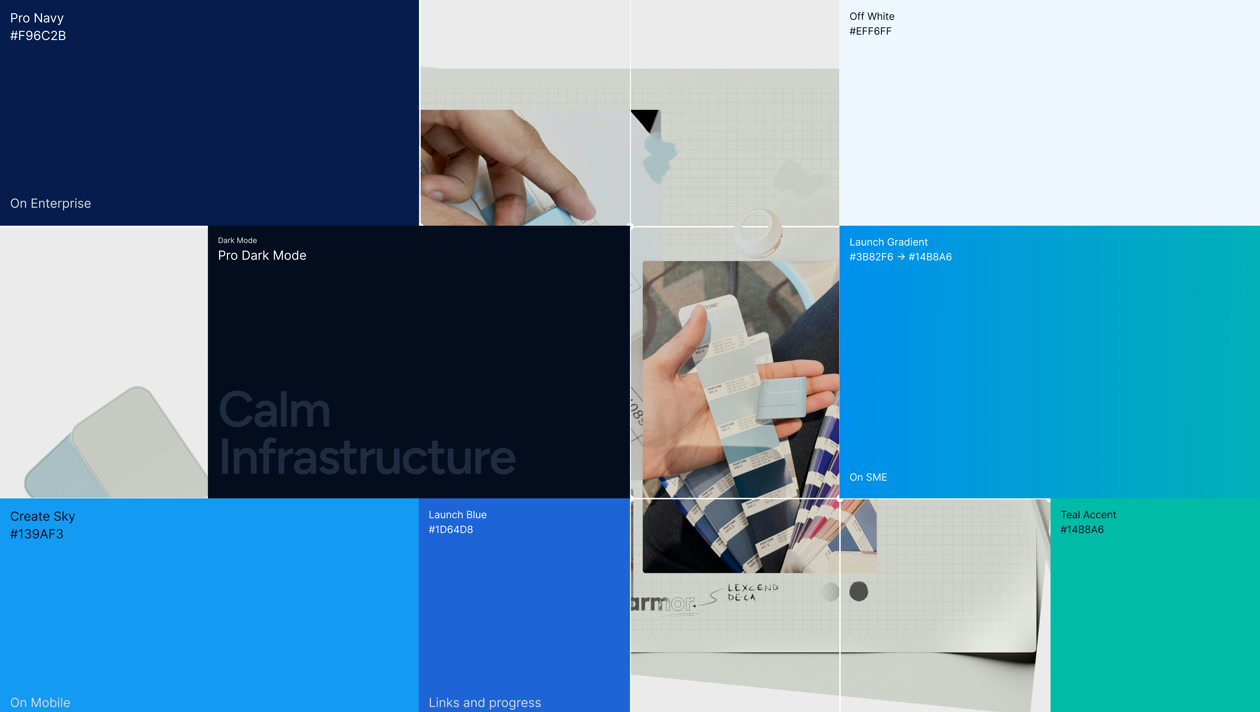
Wowzi Brand System
One brand system across 3 products
 HR · Wellness
05 / 06
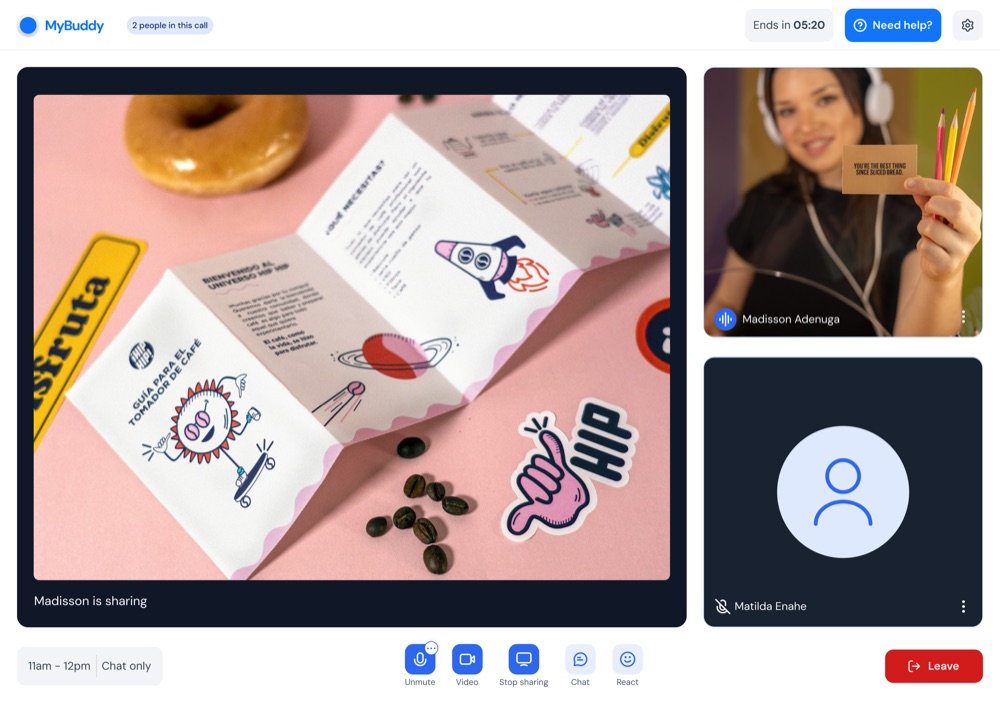
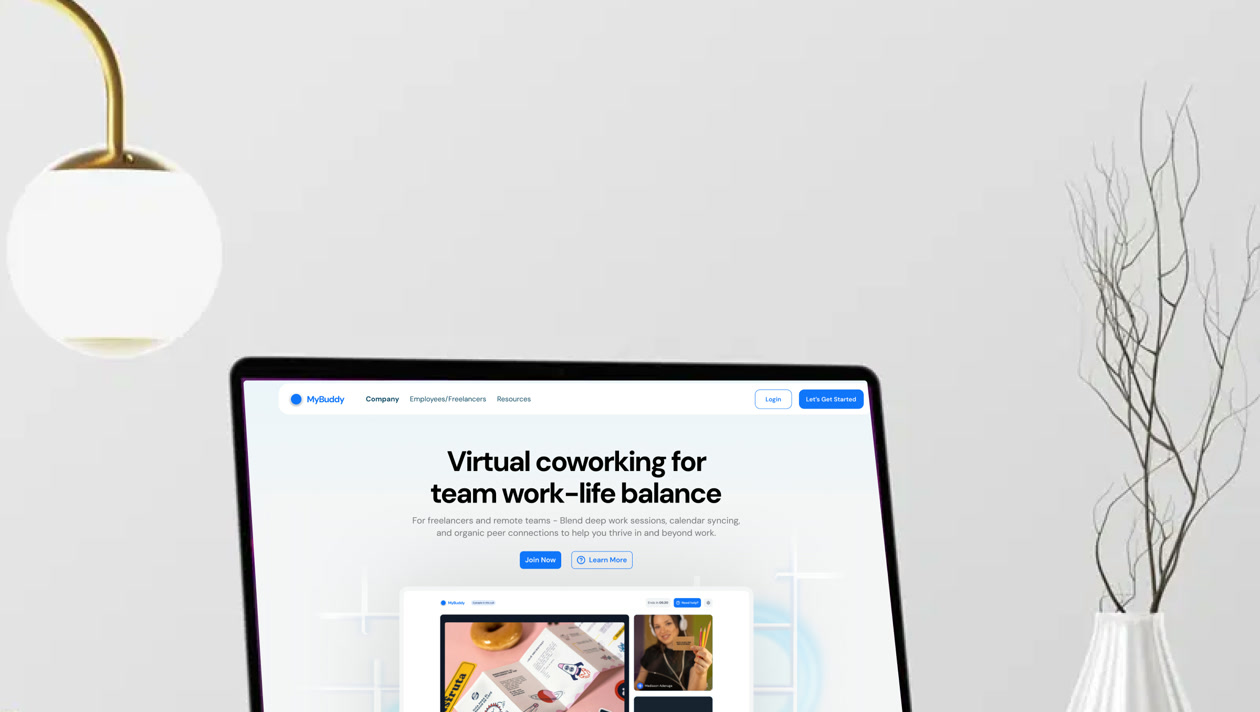
Buddily
Ethical virtual coworking across 3 user experiences
 SaaS
SaaS06 / 06
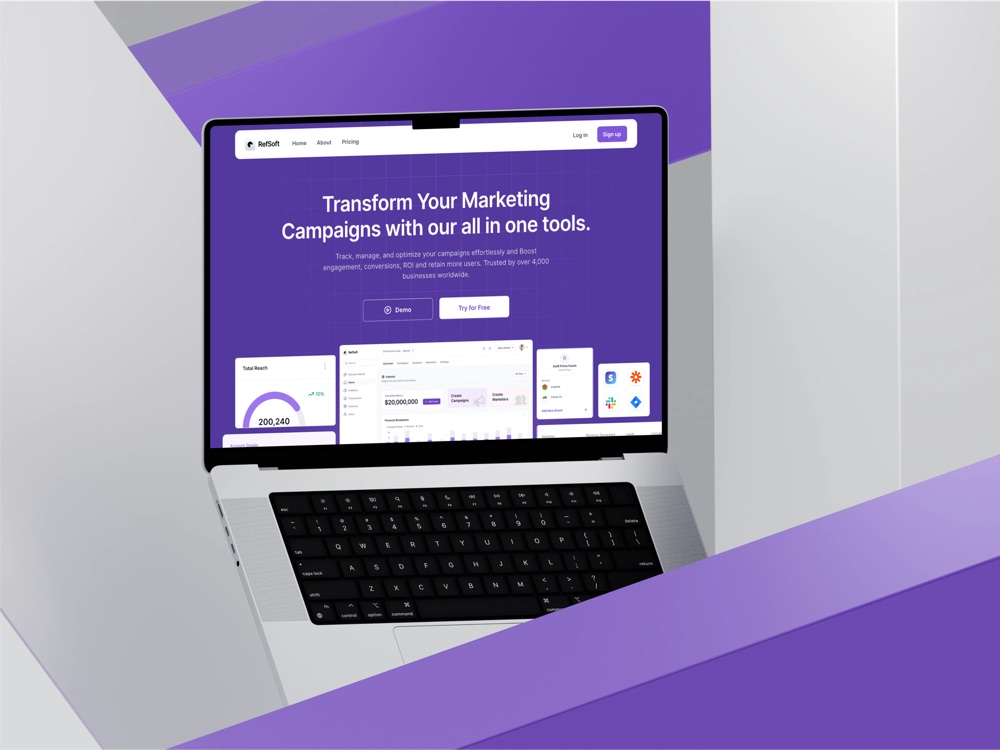
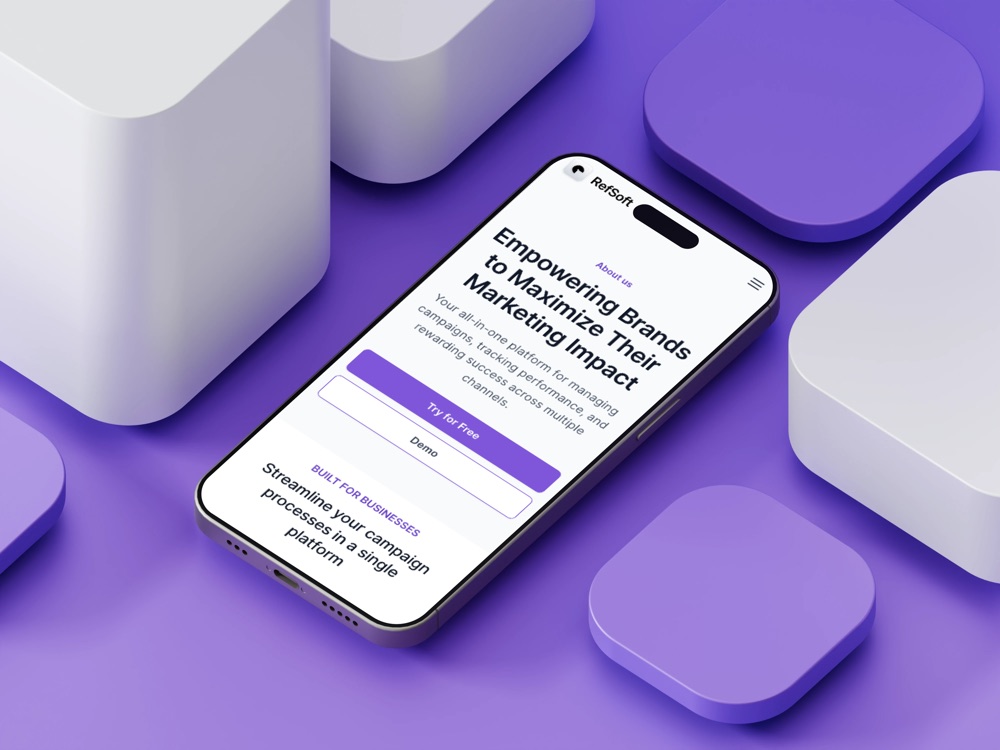
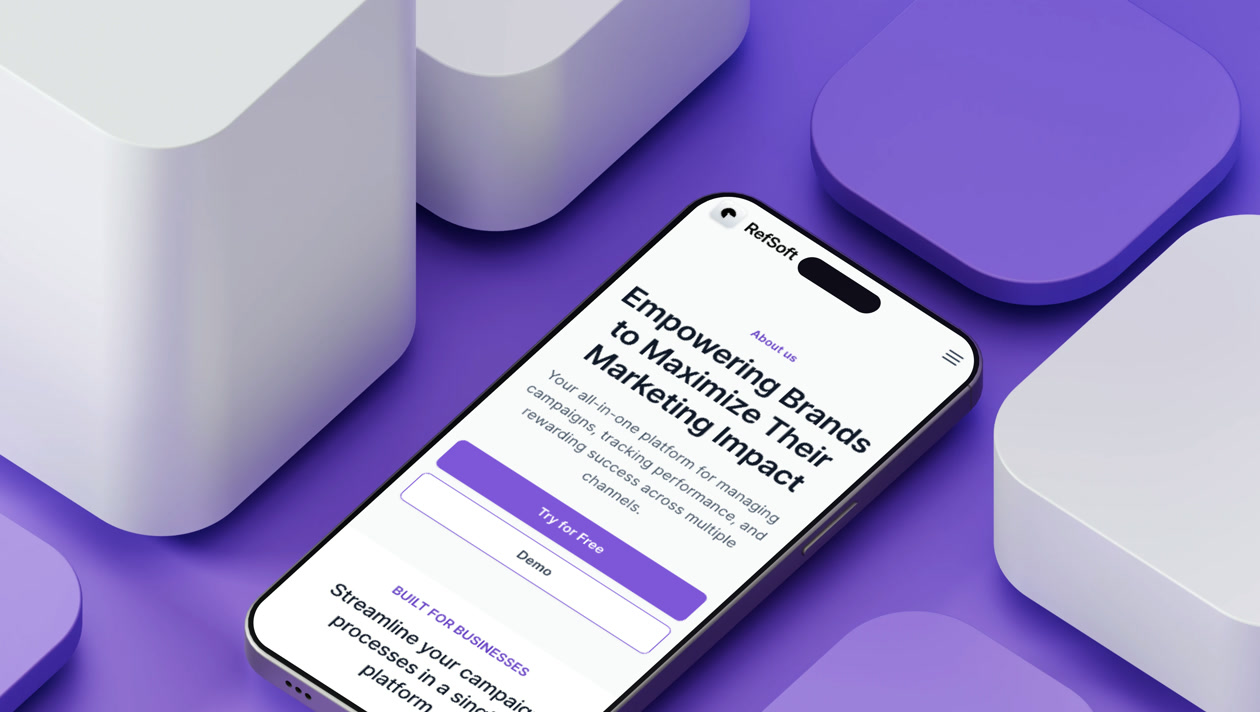
Refsoft
Marketing operations across campaigns and ROI


Hi, I'm Matilda Anashie. I design digital products, explore emerging tech, and care deeply about building things that genuinely help people.

Slice of me
'/%3e%3cg%20id='Happy'%20clip-path='url(%23clip0_0_4)'%3e%3cpath%20id='Vector'%20d='M34.1555%2033.4463C32.4515%2034.8202%2030.3286%2035.5694%2028.1398%2035.5694C25.951%2035.5694%2023.8281%2034.8202%2022.1241%2033.4463C21.6035%2033.0137%2020.9324%2032.8055%2020.2584%2032.8676C19.5844%2032.9298%2018.9626%2033.2571%2018.53%2033.7777C18.0973%2034.2982%2017.8892%2034.9694%2017.9513%2035.6434C18.0134%2036.3174%2018.3408%2036.9391%2018.8614%2037.3718C21.4648%2039.5451%2024.7485%2040.7356%2028.1398%2040.7356C31.5311%2040.7356%2034.8148%2039.5451%2037.4182%2037.3718C37.9388%2036.9391%2038.2661%2036.3174%2038.3283%2035.6434C38.3904%2034.9694%2038.1823%2034.2982%2037.7496%2033.7777C37.5354%2033.5199%2037.2725%2033.3069%2036.9759%2033.1508C36.6793%2032.9946%2036.3549%2032.8984%2036.0212%2032.8676C35.3471%2032.8055%2034.676%2033.0137%2034.1555%2033.4463ZM20.4927%2025.213C20.9969%2025.213%2021.4897%2025.0635%2021.9089%2024.7834C22.3281%2024.5033%2022.6548%2024.1052%2022.8477%2023.6394C23.0406%2023.1737%2023.0911%2022.6611%2022.9928%2022.1667C22.8944%2021.6722%2022.6516%2021.218%2022.2952%2020.8615C21.9387%2020.5051%2021.4845%2020.2623%2020.99%2020.1639C20.4956%2020.0656%2019.983%2020.1161%2019.5173%2020.309C19.0515%2020.5019%2018.6534%2020.8286%2018.3733%2021.2478C18.0932%2021.667%2017.9437%2022.1598%2017.9437%2022.664C17.9437%2023.34%2018.2123%2023.9884%2018.6903%2024.4664C19.1683%2024.9444%2019.8167%2025.213%2020.4927%2025.213ZM35.7868%2020.115C35.2827%2020.115%2034.7899%2020.2644%2034.3707%2020.5445C33.9515%2020.8246%2033.6248%2021.2227%2033.4319%2021.6885C33.2389%2022.1543%2033.1884%2022.6668%2033.2868%2023.1613C33.3852%2023.6557%2033.6279%2024.1099%2033.9844%2024.4664C34.3409%2024.8229%2034.7951%2025.0657%2035.2896%2025.164C35.784%2025.2624%2036.2965%2025.2119%2036.7623%2025.019C37.2281%2024.826%2037.6262%2024.4993%2037.9063%2024.0801C38.1864%2023.6609%2038.3359%2023.1681%2038.3359%2022.664C38.3359%2021.9879%2038.0673%2021.3396%2037.5893%2020.8615C37.1112%2020.3835%2036.4629%2020.115%2035.7868%2020.115ZM28.1398%202.27181C23.0983%202.27181%2018.17%203.76679%2013.9782%206.56769C9.78635%209.36859%206.51921%2013.3496%204.58991%2018.0073C2.66062%2022.6651%202.15583%2027.7903%203.13938%2032.7349C4.12292%2037.6795%206.55063%2042.2214%2010.1155%2045.7863C13.6804%2049.3512%2018.2223%2051.7789%2023.1669%2052.7624C28.1115%2053.746%2033.2367%2053.2412%2037.8945%2051.3119C42.5522%2049.3826%2046.5332%2046.1154%2049.3341%2041.9236C52.135%2037.7318%2053.63%2032.8035%2053.63%2027.762C53.63%2024.4146%2052.9707%2021.0999%2051.6897%2018.0073C50.4087%2014.9147%2048.5311%2012.1047%2046.1641%209.73772C43.7971%207.37074%2040.9871%205.49314%2037.8945%204.21214C34.8018%202.93114%2031.4872%202.27181%2028.1398%202.27181ZM28.1398%2048.1542C24.1066%2048.1542%2020.164%2046.9582%2016.8105%2044.7175C13.457%2042.4767%2010.8433%2039.2919%209.29989%2035.5657C7.75646%2031.8396%207.35262%2027.7394%208.13946%2023.7837C8.92629%2019.828%2010.8685%2016.1945%2013.7204%2013.3426C16.5722%2010.4907%2020.2058%208.54852%2024.1615%207.76168C28.1172%206.97485%2032.2173%207.37868%2035.9435%208.92211C39.6697%2010.4655%2042.8545%2013.0793%2045.0952%2016.4327C47.336%2019.7862%2048.5319%2023.7288%2048.5319%2027.762C48.5319%2033.1703%2046.3835%2038.3572%2042.5592%2042.1814C38.7349%2046.0057%2033.5481%2048.1542%2028.1398%2048.1542Z'%20fill='var(--fill-0,%20%23303030)'/%3e%3c/g%3e%3c/g%3e%3cdefs%3e%3cclipPath%20id='clip0_0_4'%3e%3crect%20width='52'%20height='52'%20fill='white'%20transform='translate(2.14015%201.76302)'/%3e%3c/clipPath%3e%3c/defs%3e%3c/svg%3e)
Open to product design leadership opportunities and collaborations across fintech, AI, and emerging technology.
Let’s Talk.
Selected work
Hiring or building? Let’s talk
 Web Design
01 / 09
Folde Studio
A scalable sales and publishing system
Fintech02 / 09
Tirra
600+ waitlist · 1k+ beta transactions
03 / 09
Wowzi
Creator marketplace across user types
04 / 09
MUST Fintech
Leading 2 Web3 products and a shared token ecosystem
05 / 09
MSQ Design System
40% faster design-to-development handoff
Brand & Web06 / 09
Wowzi Brand System
One brand system across 3 products
HR · Wellness07 / 09
Buddily
Ethical virtual coworking across 3 user experiences
SaaS08 / 09
Refsoft
Marketing operations across campaigns and ROI
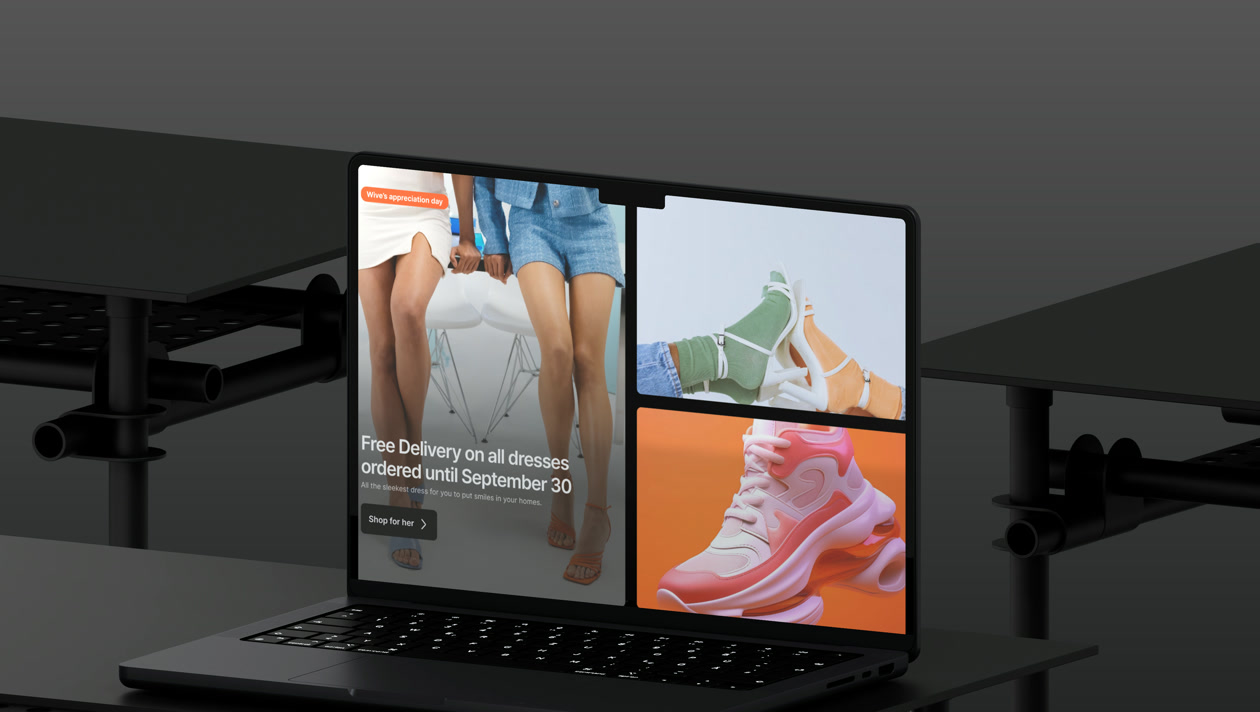 E-commerce
09 / 09
TAJRR
Two-sided commerce across web and mobile
Open to product design leadership opportunities and collaborations across fintech, AI, and emerging technology.
Let’s Talk.

Hi, I'm Matilda Ipeh Anashie
I'm a Nigerian Product Design Lead with 6+ years of experience designing AI, fintech, creator economy, SaaS, and Web3 products across Africa, Asia, and Europe.
My background in Electrical and Electronics Engineering and Telecommunications Engineering shapes how I work: understanding complex systems, finding the human problem within them, and building clear, trustworthy products. I currently lead product design for MUST Company’s Blockchain and User Experience Innovation Design team, guiding a four-designer team across two Web3 products, their websites, and a shared token ecosystem. I also introduced design-system and AI-assisted workflows that improved design-to-development handoff by 40%.
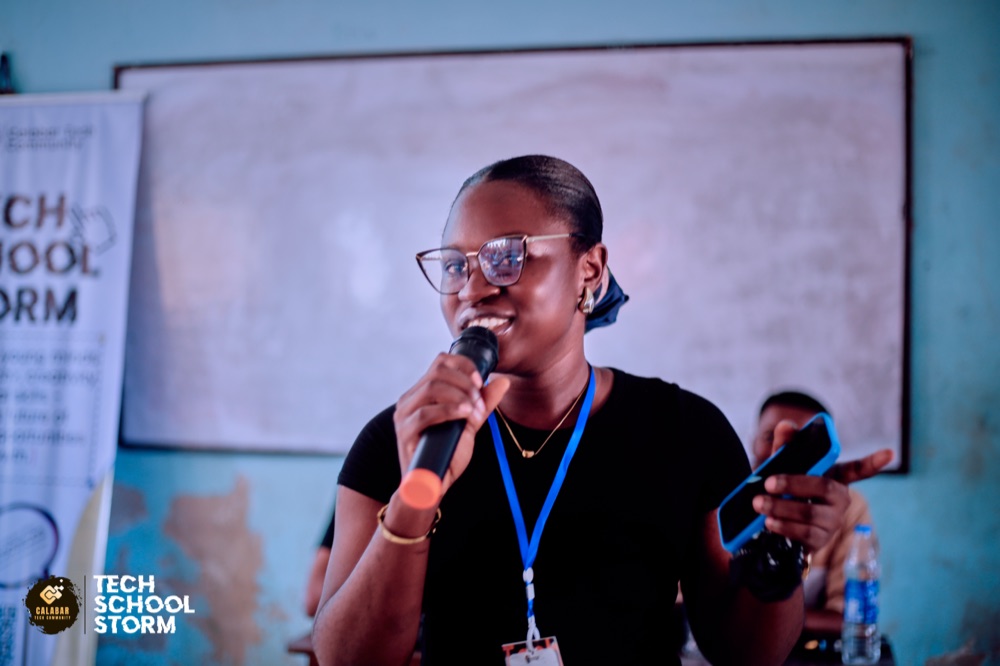
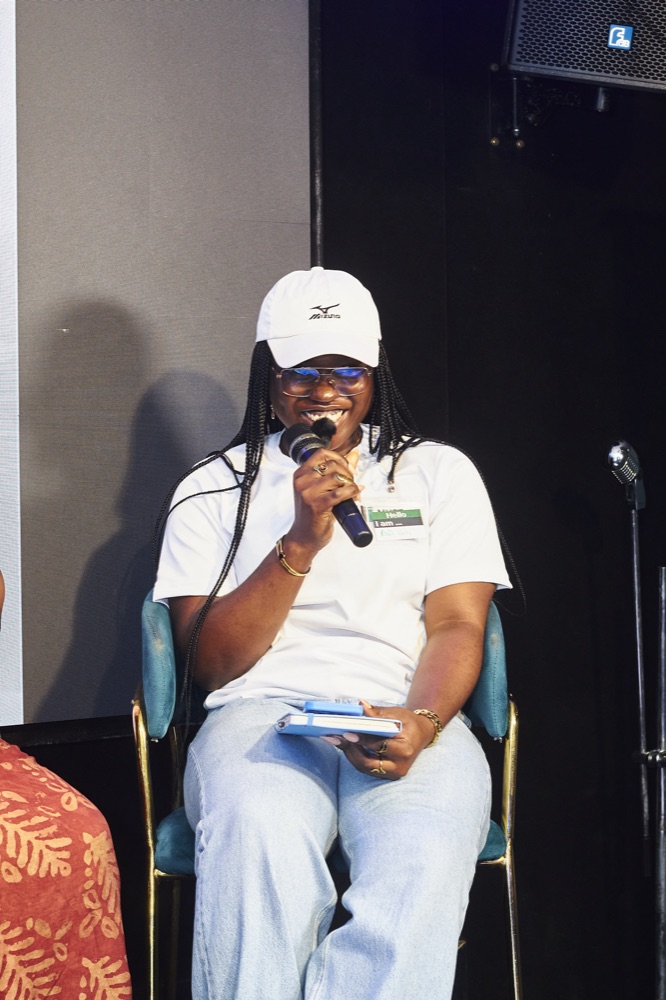
Beyond product work, I co-founded Canann Impact Foundation, contribute to open-source technology through Outreachy and ODK-X, and support the design community through mentorship, writing, and speaking.


My essays, notes, experiments, and opinions.
- read a new chapter

 fill journal pages
- disappear into a playlist

 draw or just doodle
- notice type everywhere

something happened today and I realised —
"Everything we need to be happy in life is right in front of us and yet we look for it in all the wrong places."
Living life in colours 🌻🦋

I love watching movies, but my latest obsession is K-drama. The stories and the acting keep me absolutely glued to my screen. A perfect weekend unwinding mood.
Open to product design leadership opportunities and collaborations across fintech, AI, and emerging technology.
Let’s Talk.


Bits of my life
Designing trust into a fintech product the internet was already judging.
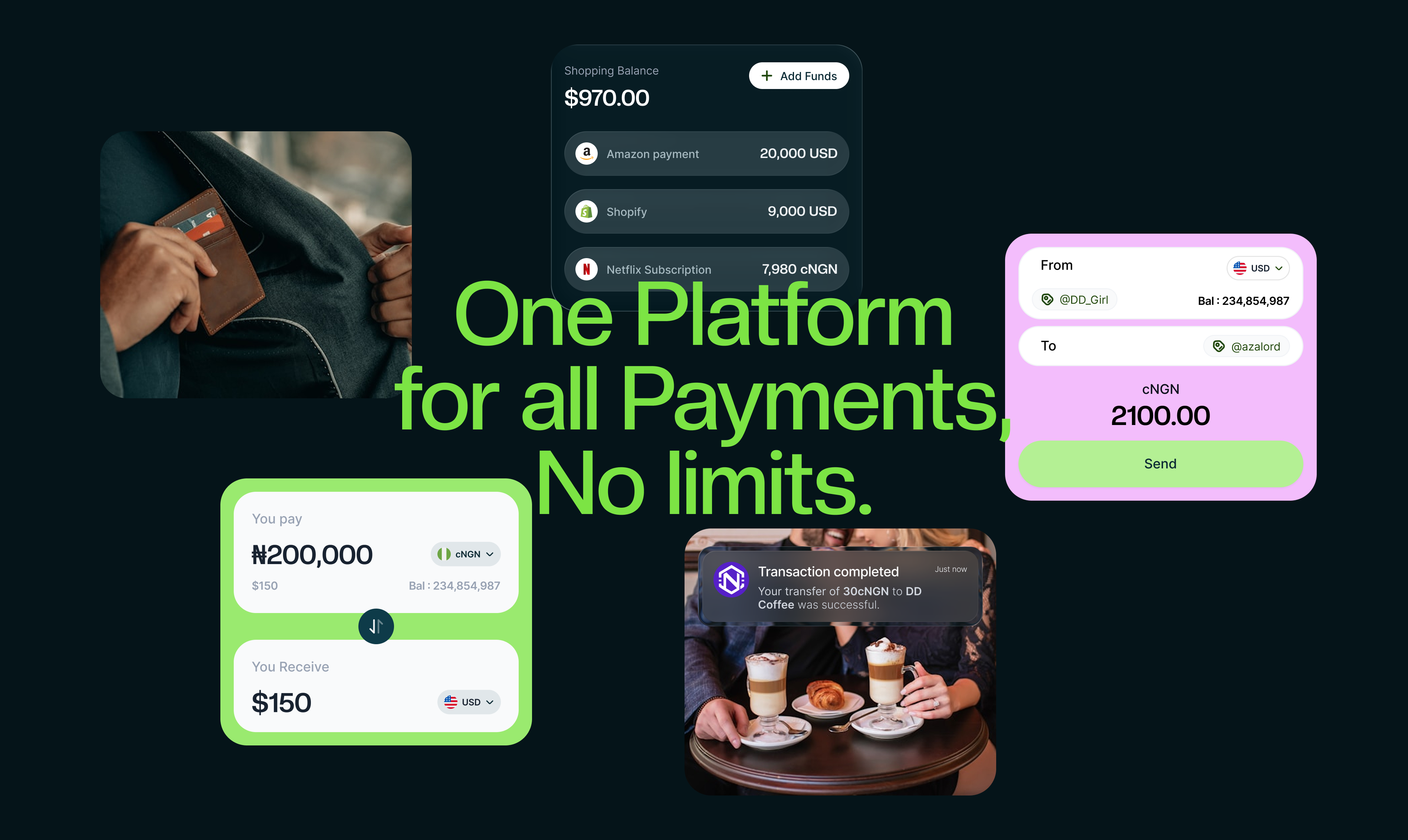
Led Azawire's transformation into Tirra — reframing the brand, reducing transaction steps by 30%, and building a product system designed to earn trust across mobile and web.
Tirra (formerly Azawire) wasn’t broken. It just wasn’t believed.
Azawire was a crypto banking app with real potential — stablecoin payments, cross-border transfers, multi-currency wallets. When the company pivoted and rebranded to Tirra, they didn’t just need a new name. They needed people to believe in it. My job wasn’t to redesign an app. It was to redesign a reputation.
The internet had already decided.
Before I joined, Azawire had gone viral — for all the wrong reasons.
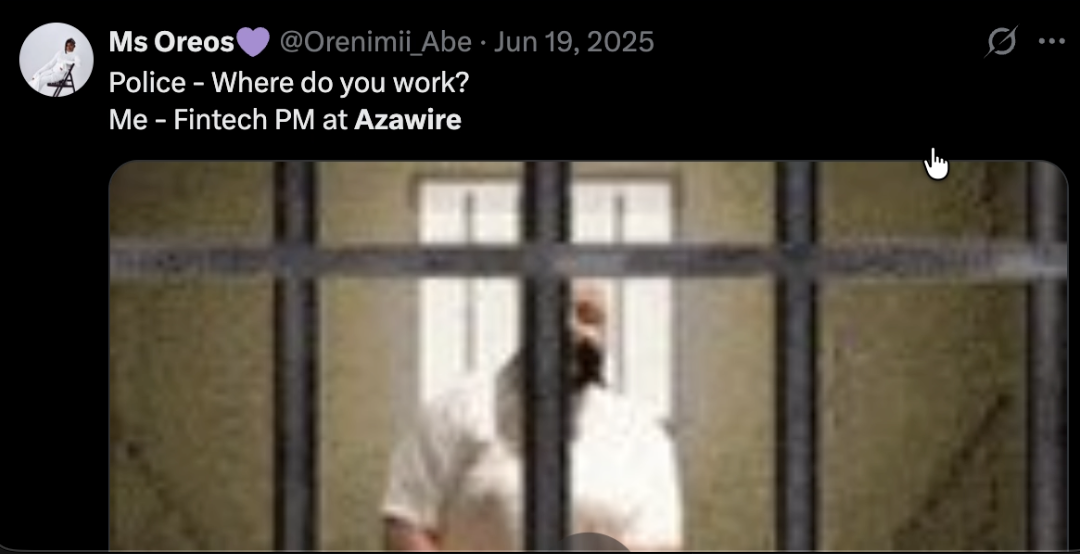


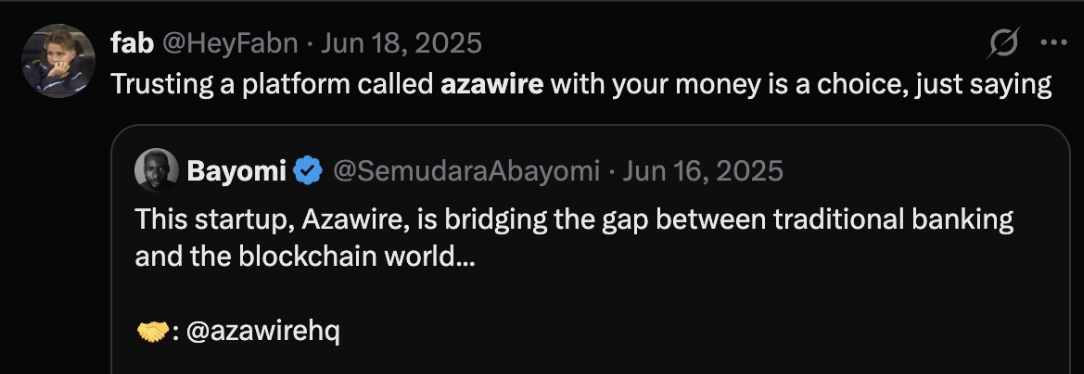
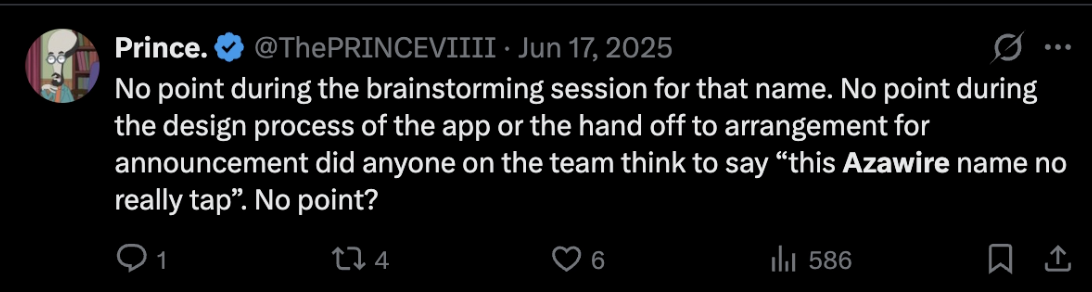


The problem wasn’t the UI. It was perception. I had to design trust before I designed a single screen.
Three things were killing trust.
Public reactions showed that the Azawire name triggered immediate suspicion among Nigerian users. The intended wordplay was being interpreted as a warning sign.
Users entered a dashboard full of options without orientation. For already-sceptical users, the feature-led hierarchy reinforced uncertainty instead of reducing it.
No visible trust indicators. No status transparency. No confirmation feedback. Technically functional. Emotionally uncertain.
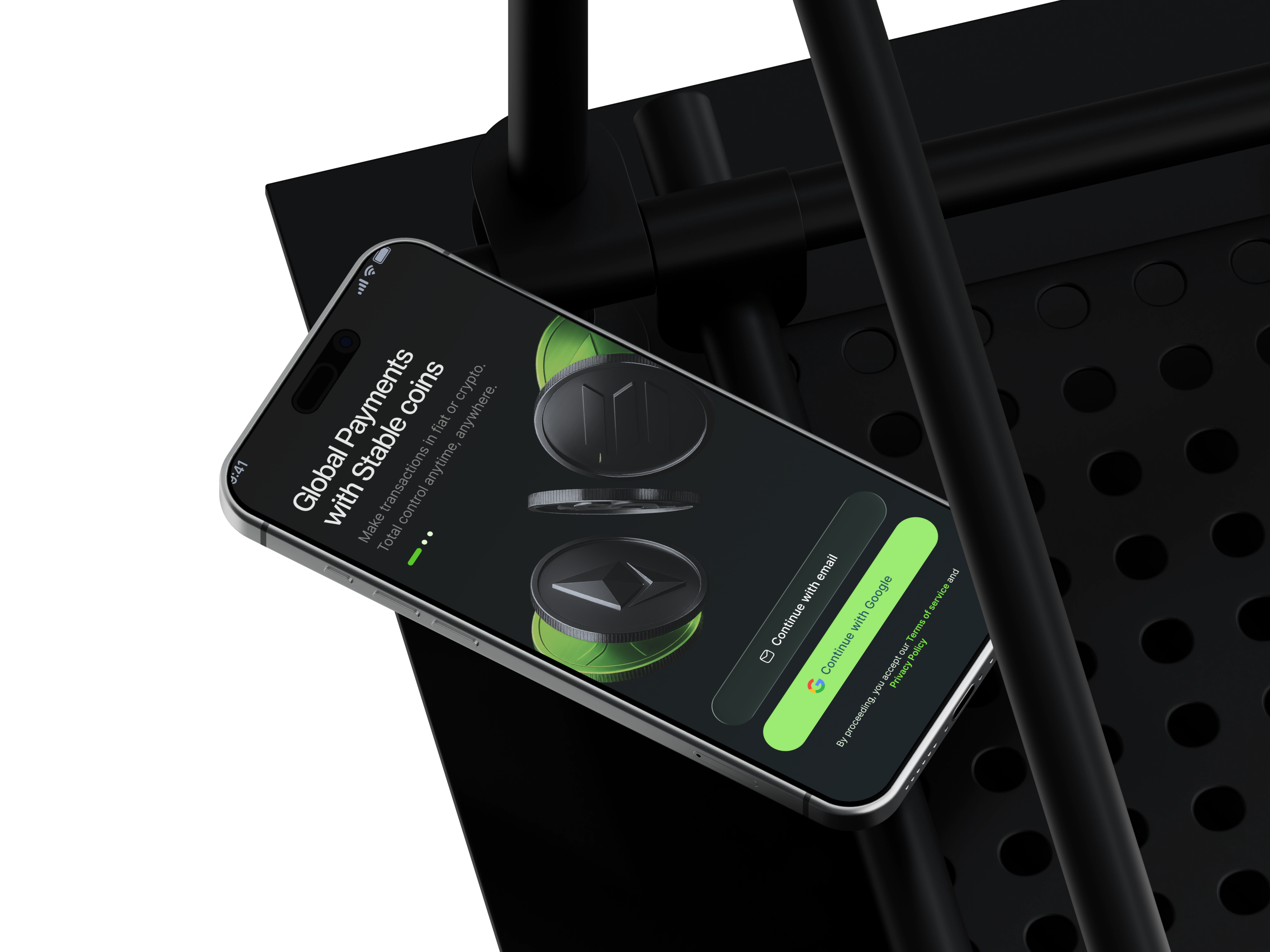
Four decisions turned trust from a brand promise into a product requirement.
Combined public sentiment, user reviews, and a product audit to identify where doubt entered the journey and what evidence could reduce it.
Reduced transaction steps by 30% and structured the experience around sending, receiving, cards, and clear account status.
Surfaced live exchange rates, recipient details, confirmation, and transaction status at the moments users were most likely to hesitate.
Built one identity, token system, and component language across iOS, Android, and web so every touchpoint reinforced the same promise.
The other team members wanted calm. I wanted bold. We let users decide.
My first instinct for the new brand was a bolder palette — energetic colours like orange, closer to what our largely Gen Z user base tends to respond to. The other team members pushed back hard: for a product asking people to trust it with their money, they wanted the calm, established green people already read as safe. We didn’t settle it in a room — we put four directions in front of our Discord community of early testers: the original safe green, my proposed orange, a purple option, and a revised green built with more energy in its execution. The revised green won clearly.
The other team members were right about the colour — I’d pushed hard for orange and lost that outright. The one thing that carried over from my instinct was the energy in the execution: the winning direction wasn’t the flat green we started with, it was green rebuilt with that same energy. We redesigned the entire brand system around it.
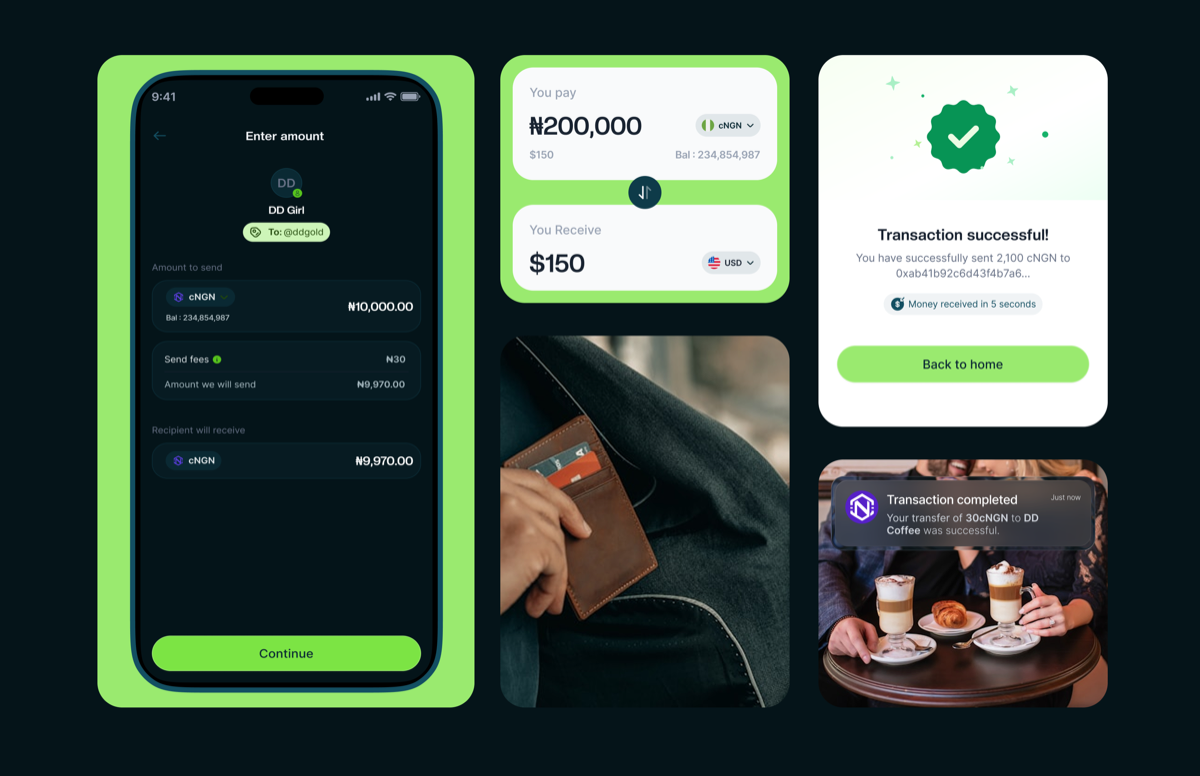

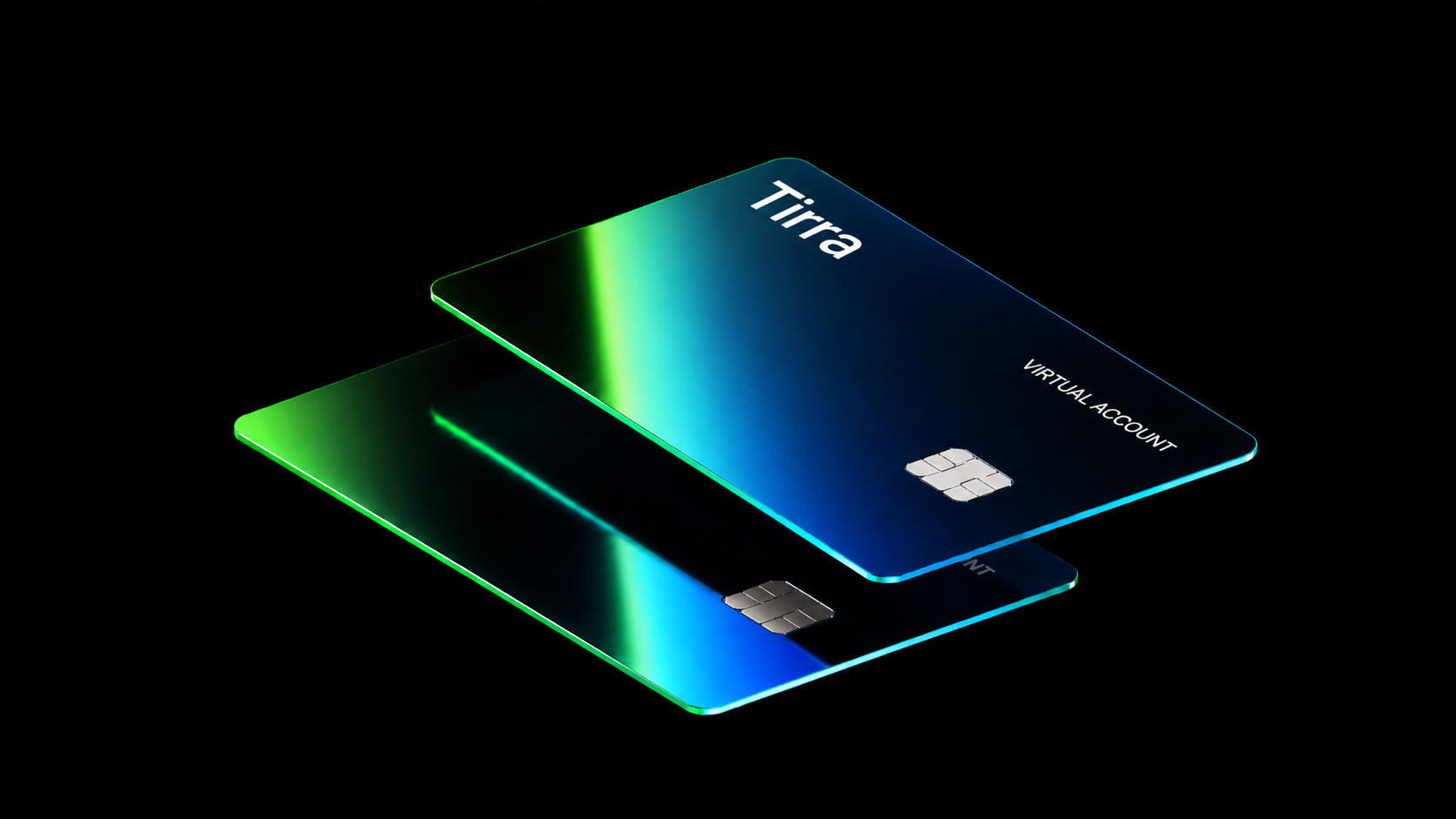
The same product. A completely different experience.
Drag to compare. Same screens, before and after the redesign.
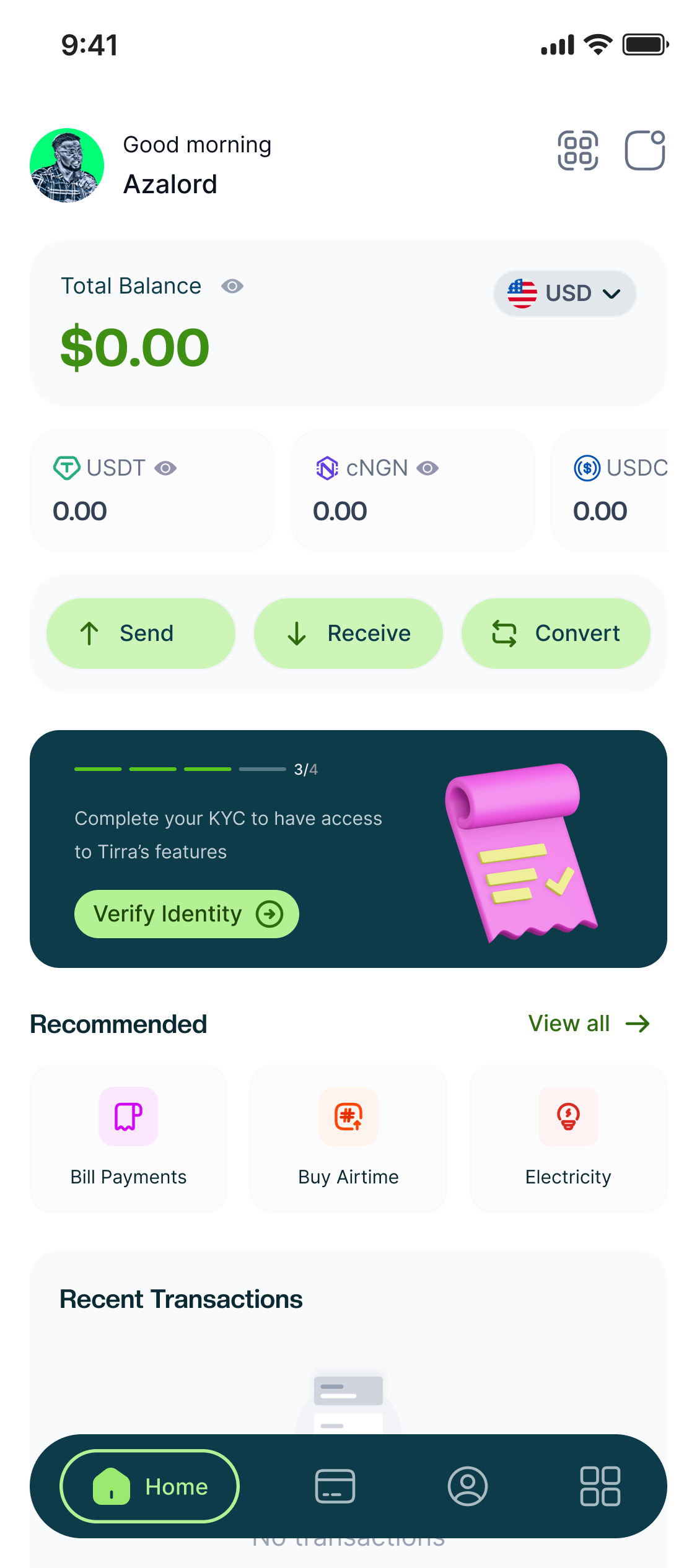
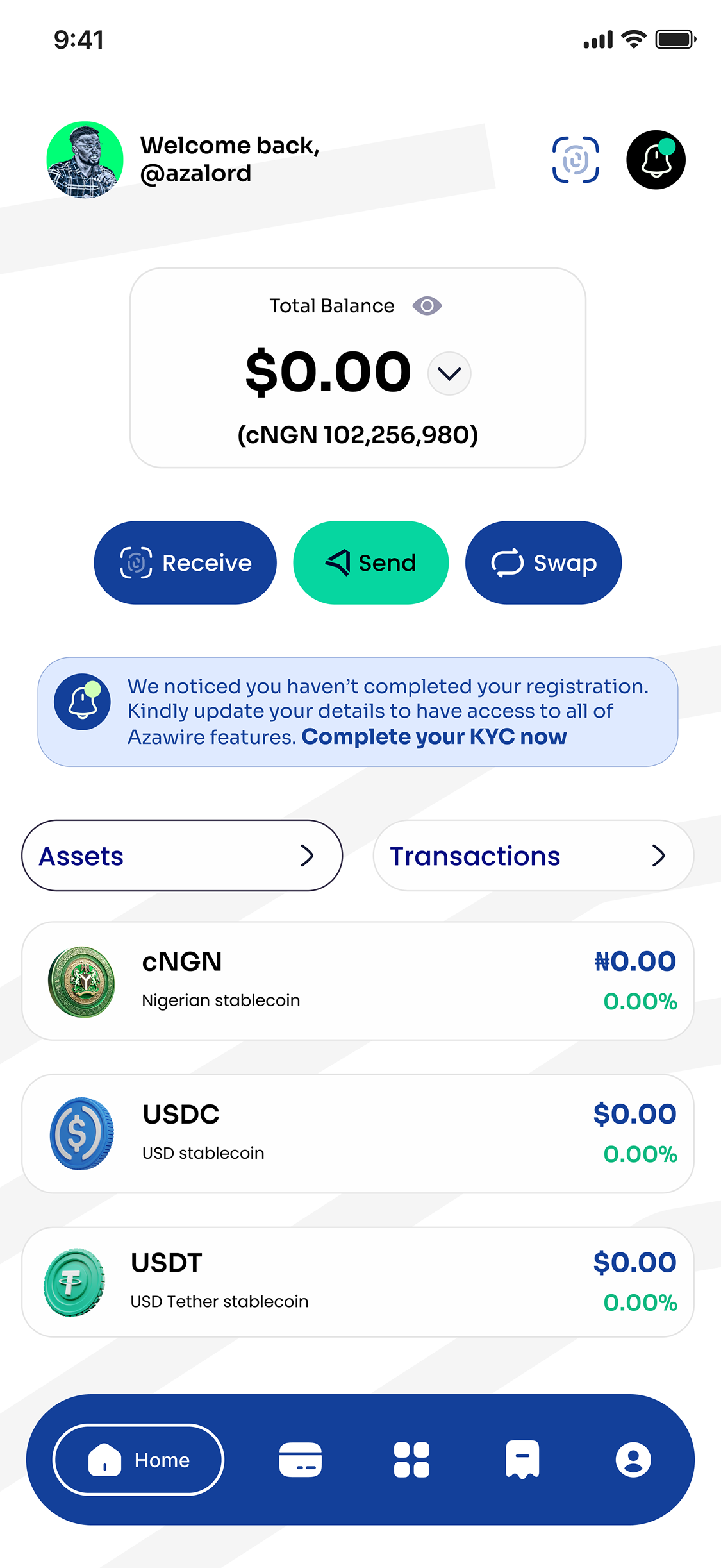
↔ Drag the handle to compare
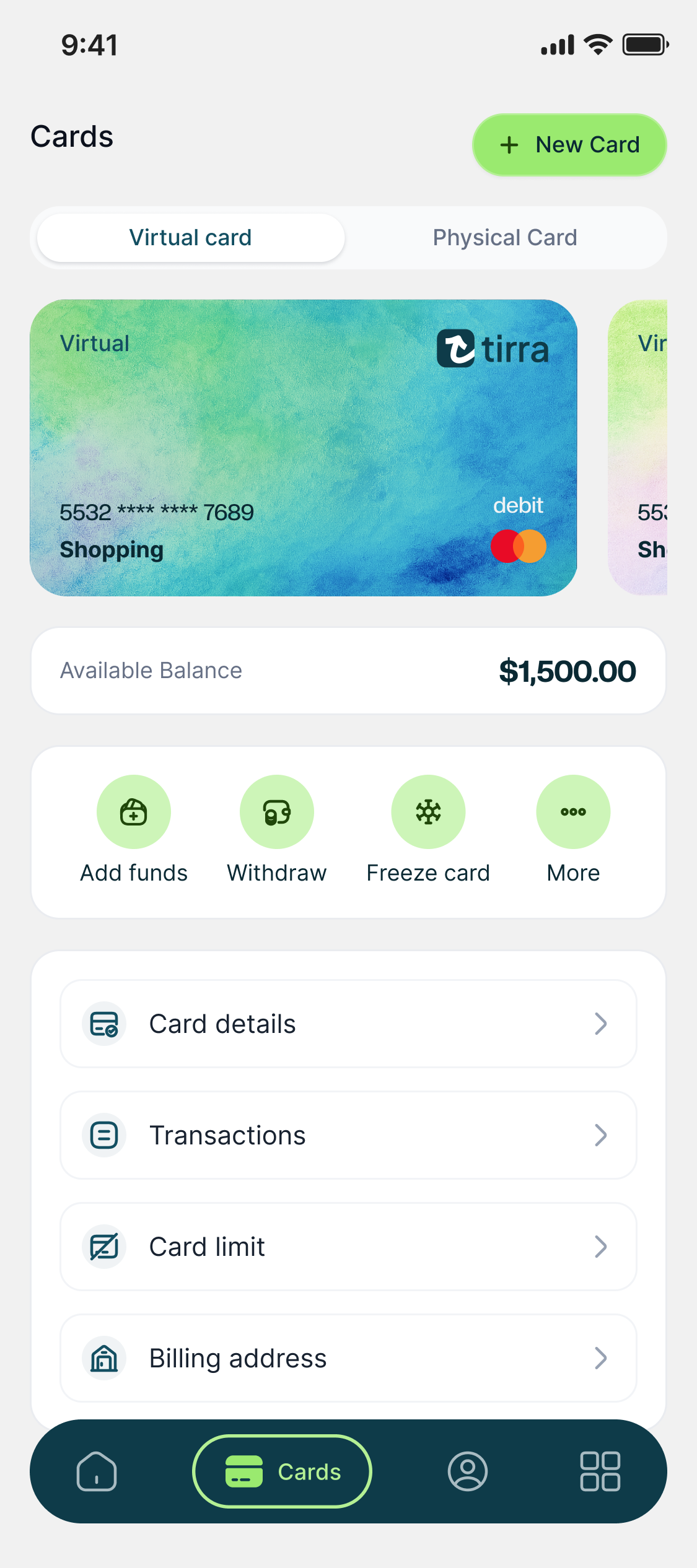
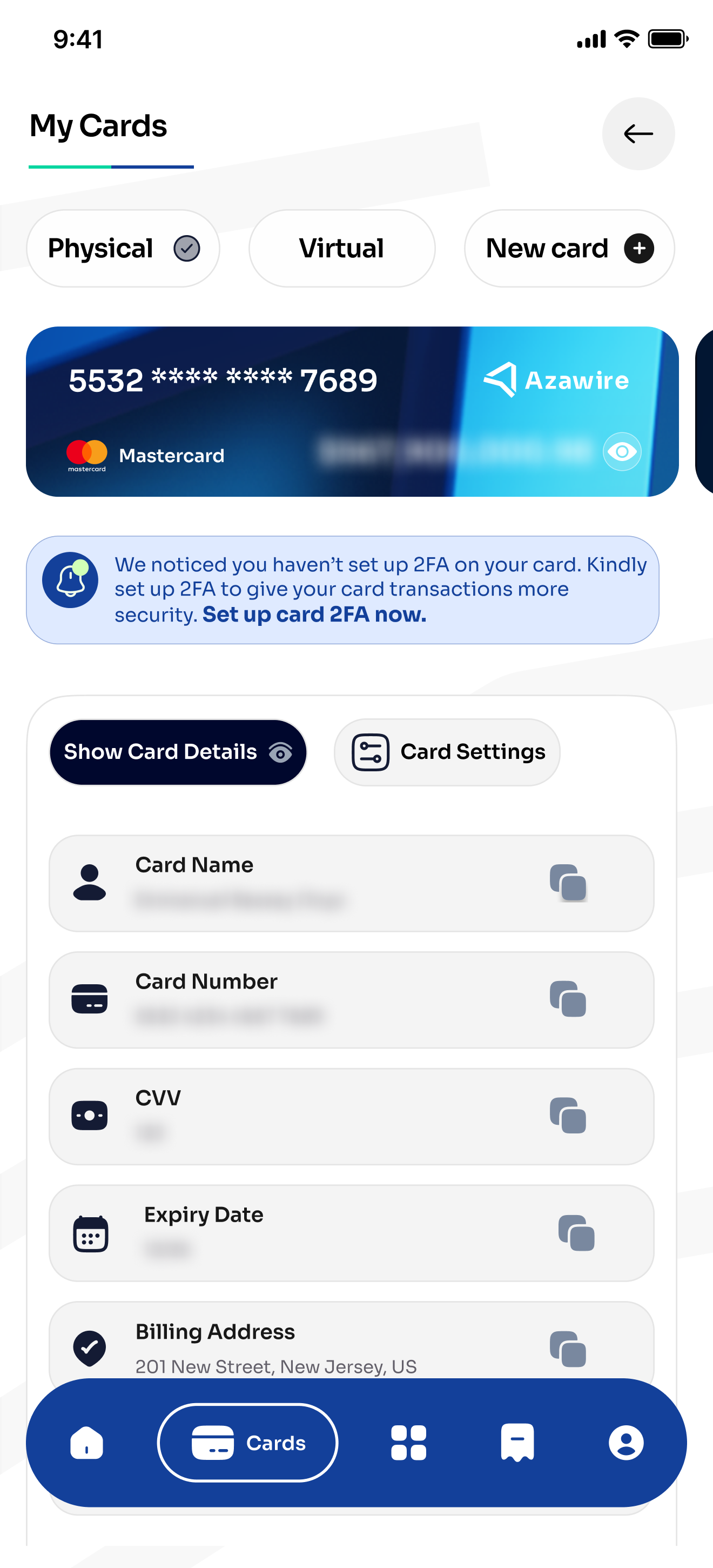
↔ Drag the handle to compare
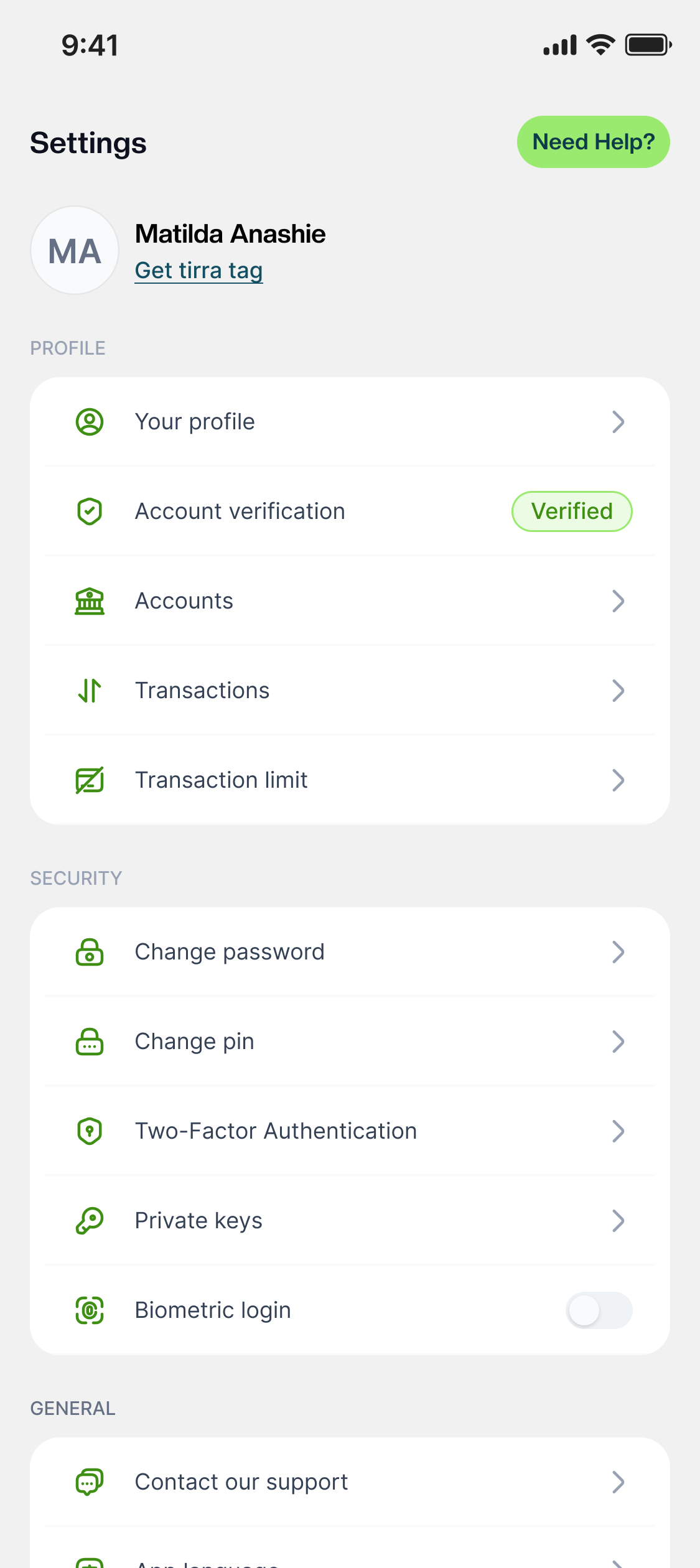
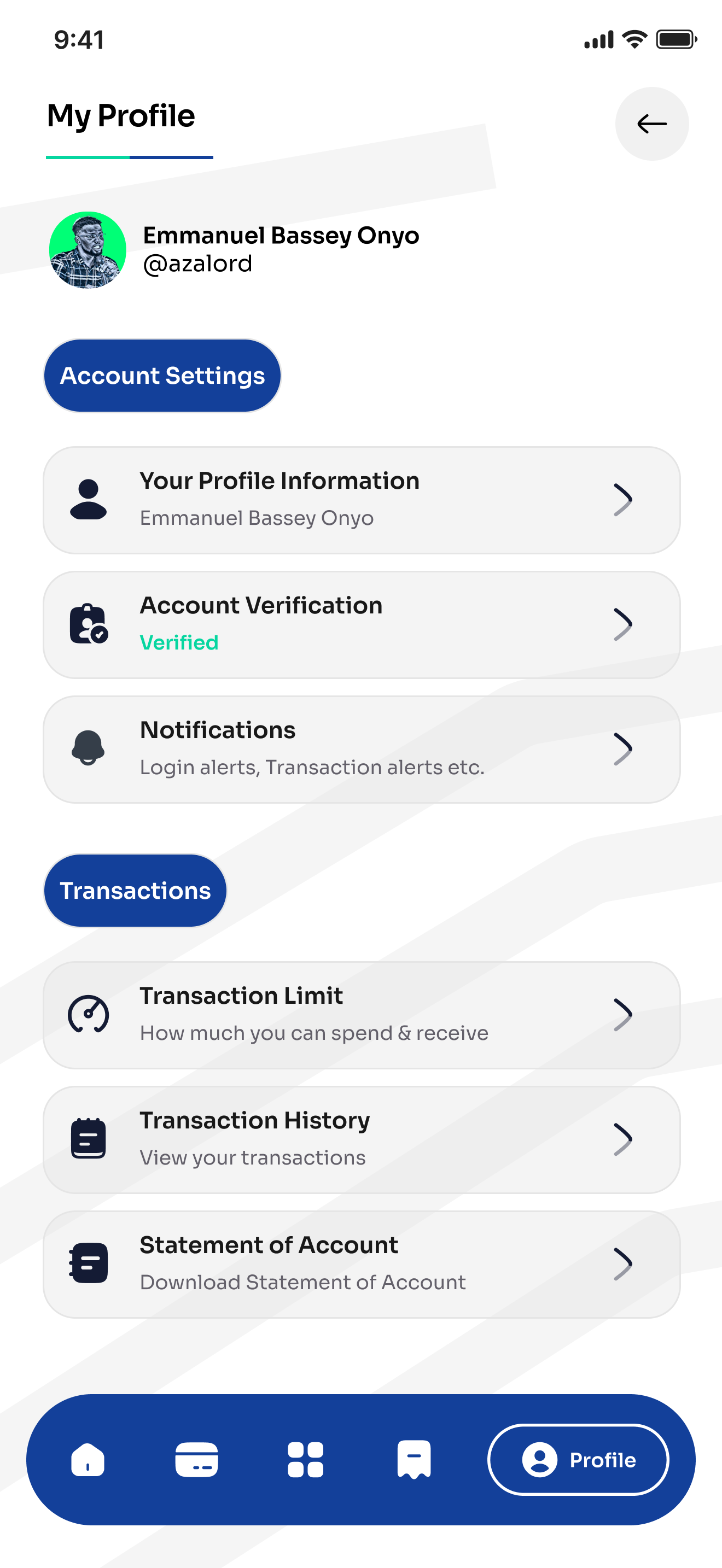
↔ Drag the handle to compare
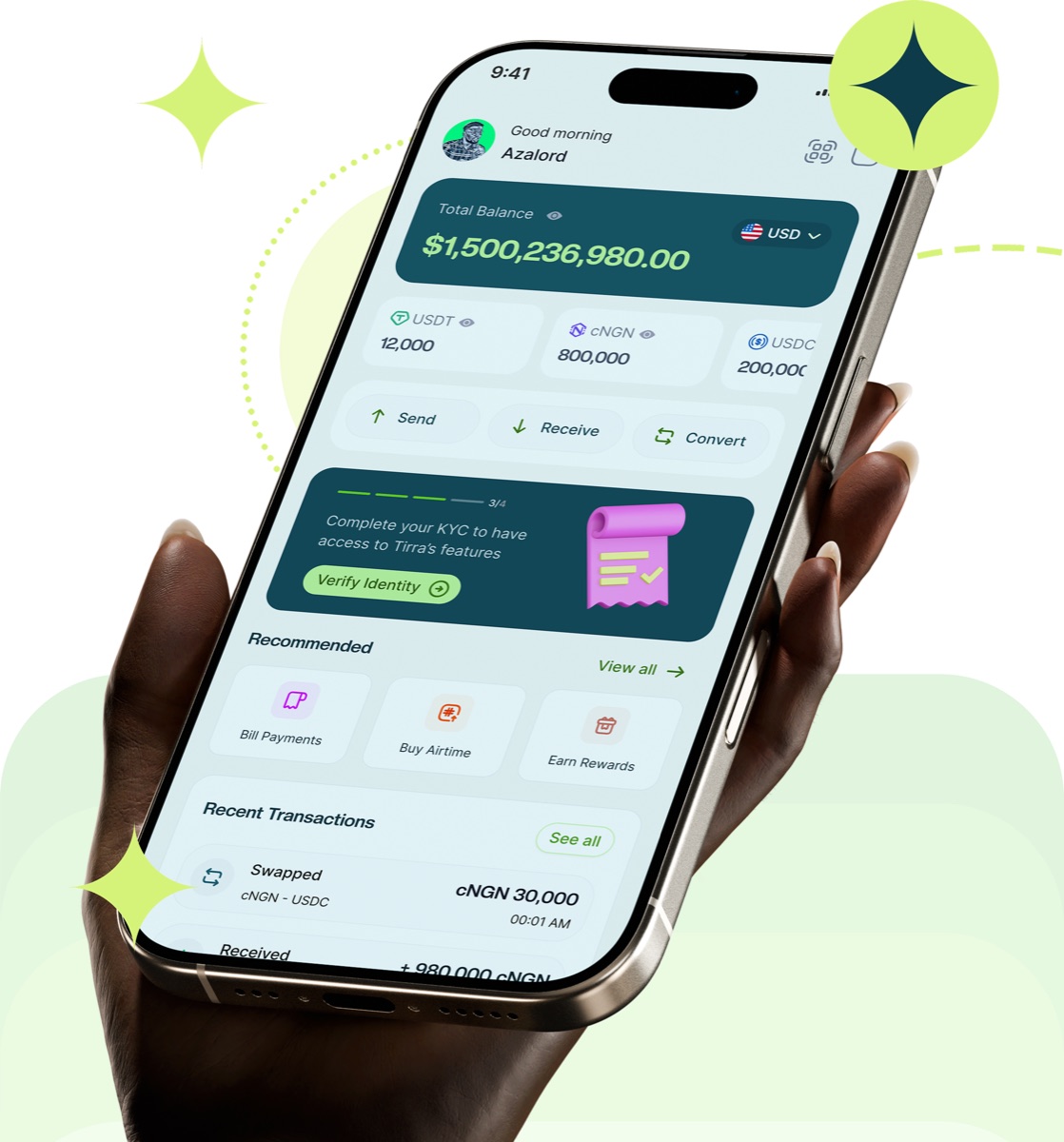

The landing page had to make the trust case before sign-up.
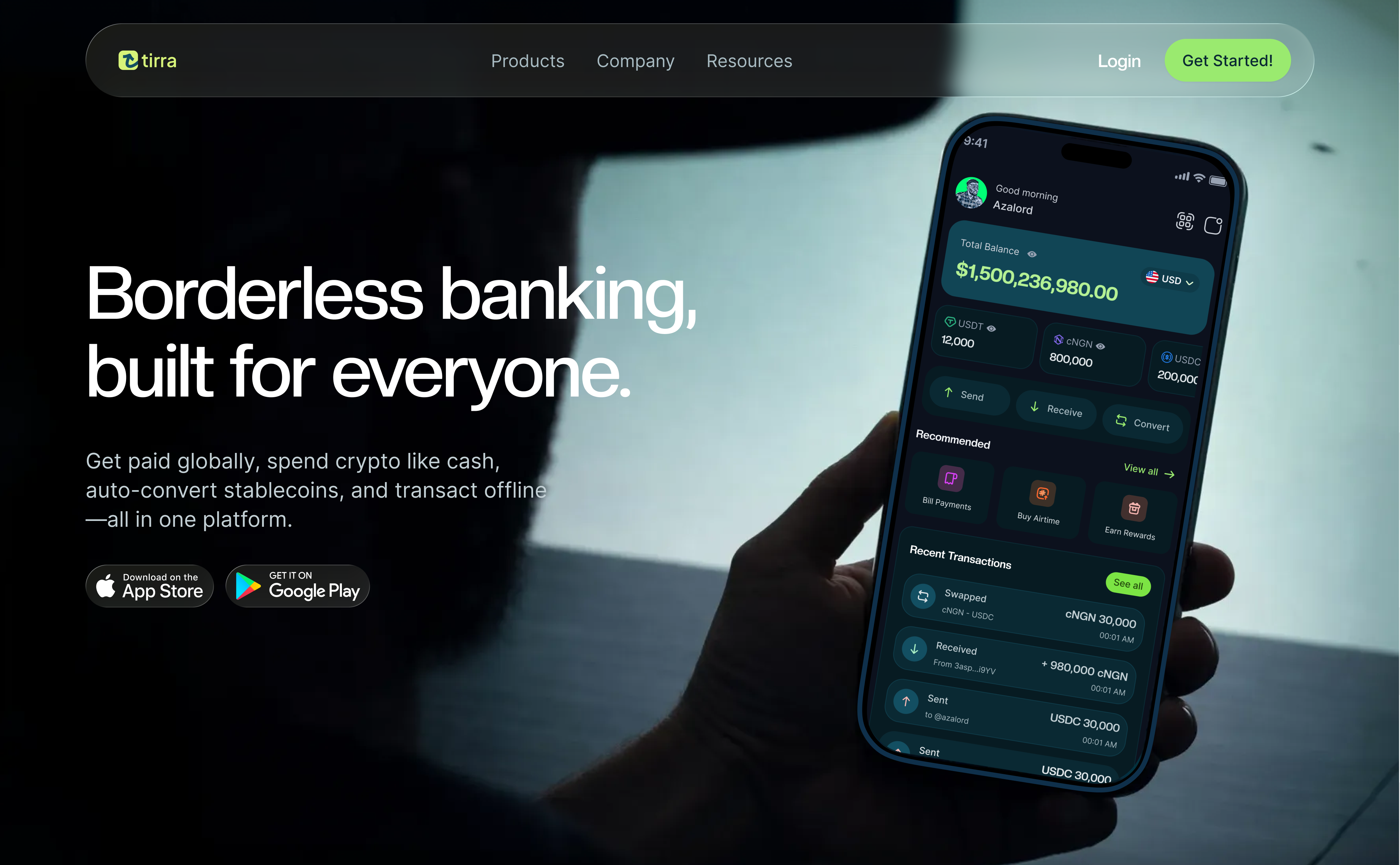
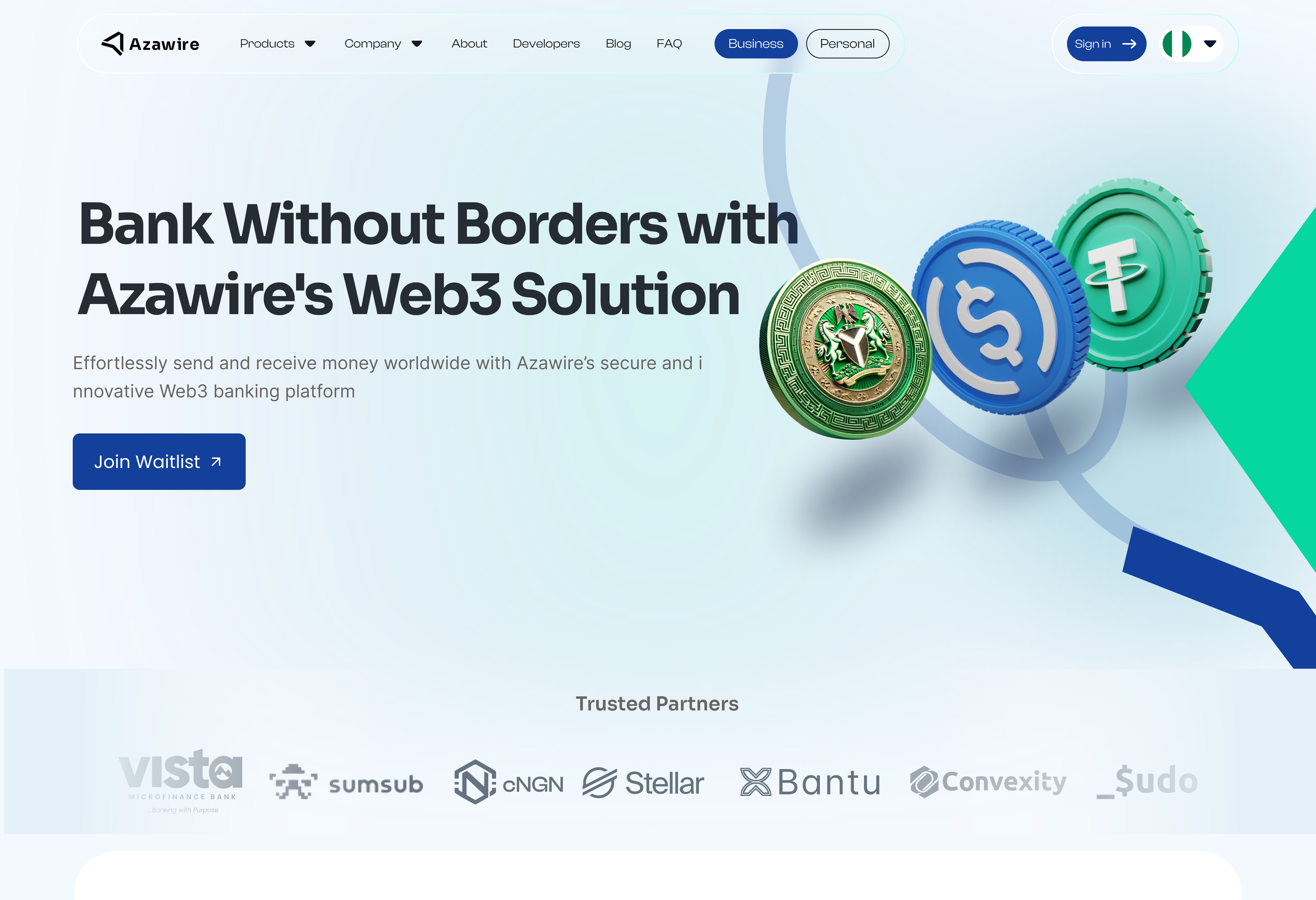
↔ Drag the handle to compare
Every screen, designed for trust.
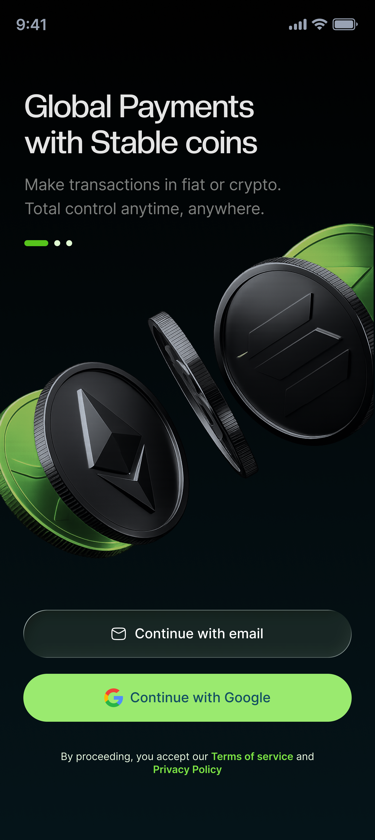
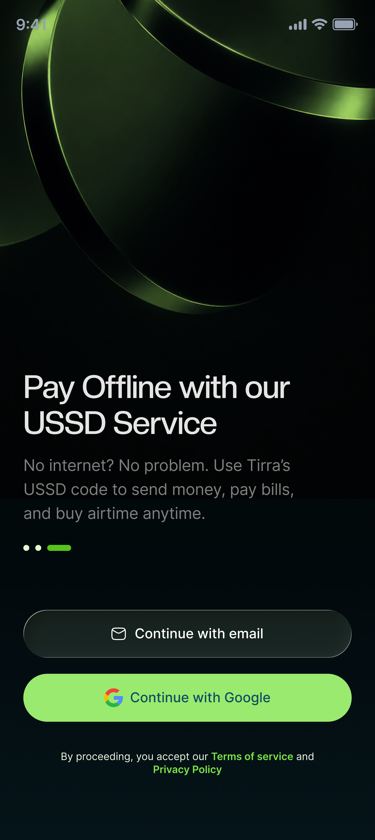
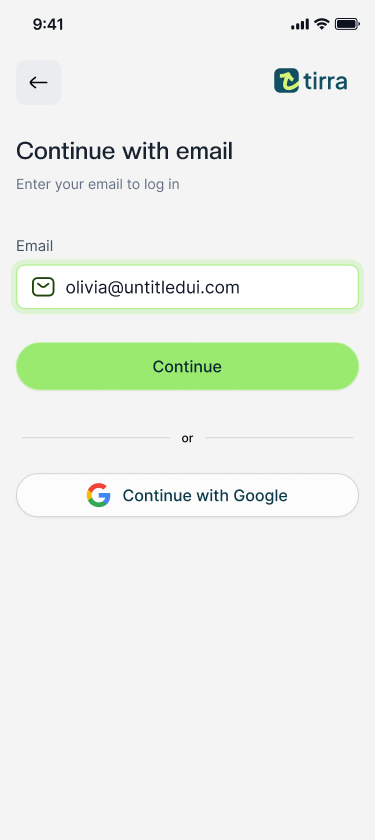
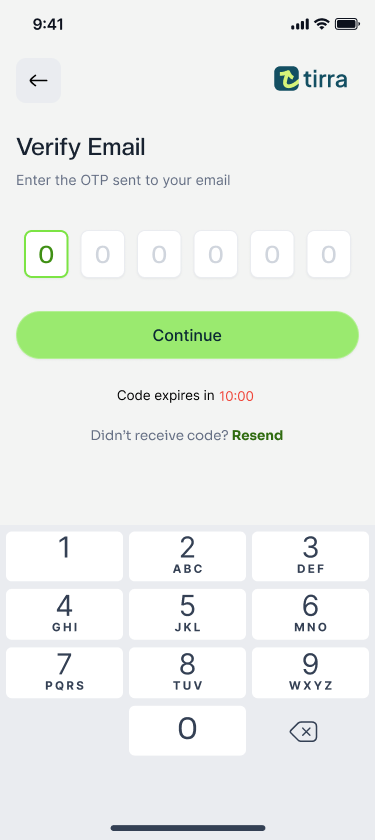
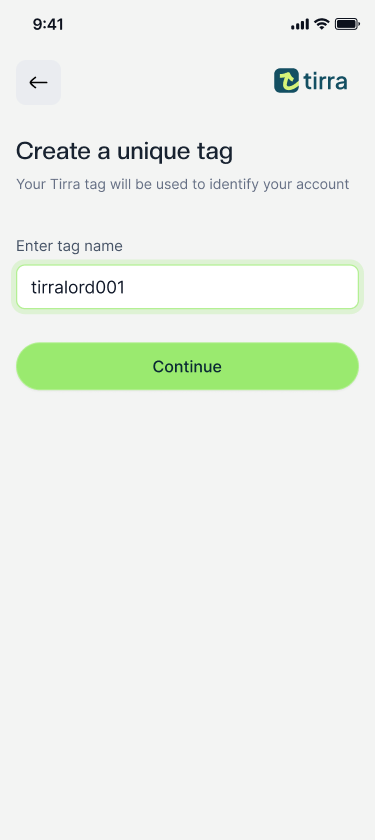

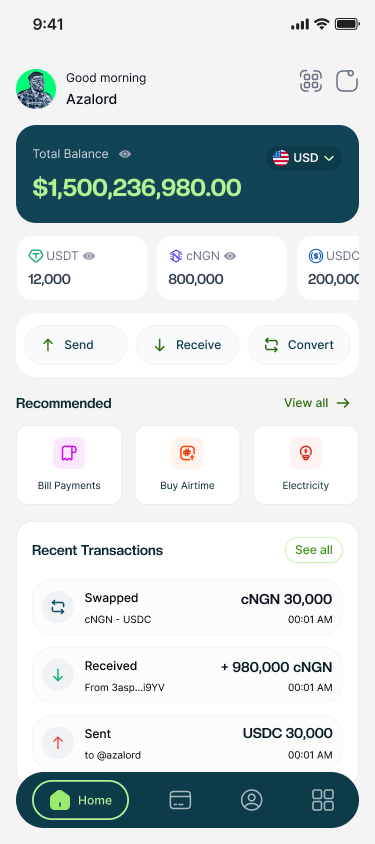
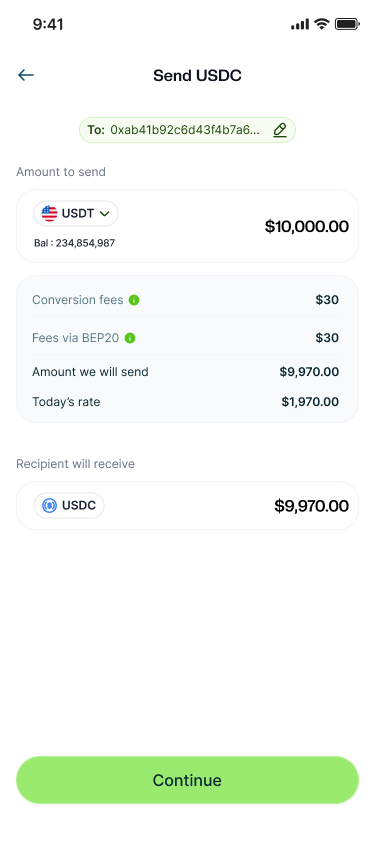
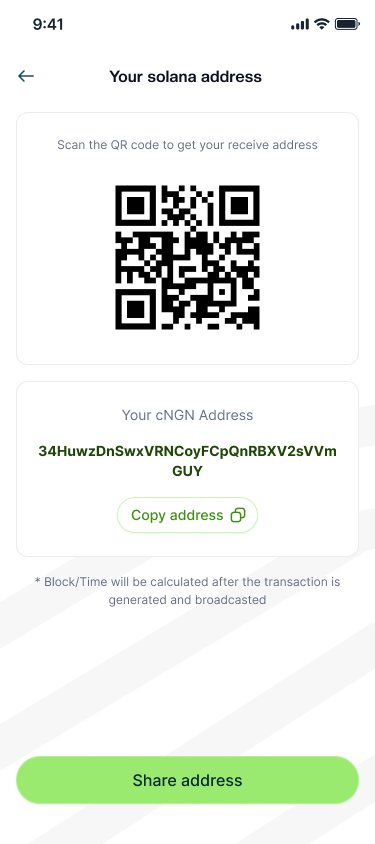
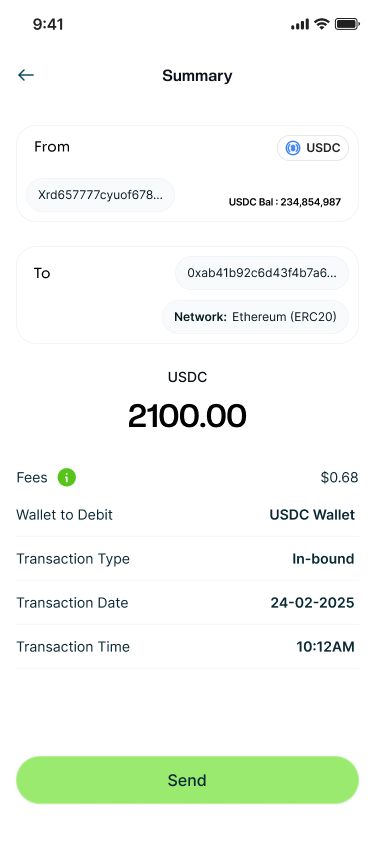
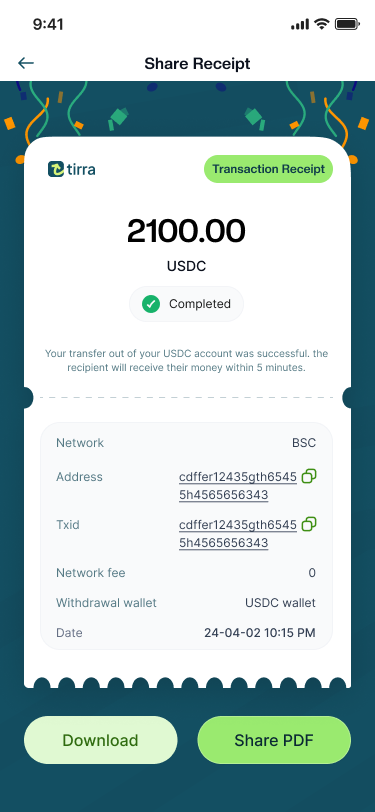
The website.
The next adoption problem is not the token. It is acceptance.
Nigeria received about $59 billion in crypto-asset inflows between July 2023 and June 2024, while 5.9 million POS terminals were active or deployed by March 2025. Yet stablecoin holders still lack a simple way to spend at everyday merchants.
Tirra’s next product bet is Tap to Pay: an experience designed to work through existing fiat POS terminals without asking merchants to buy new hardware or learn a new payment behaviour. The merchant sees a familiar naira transaction while cNGN settles underneath.
We chose cNGN rather than a dollar-pegged stablecoin because it is a regulated, 1:1 naira-backed asset. That creates a more credible proposition for banks, regulators, merchants, and POS operators while avoiding the digital-dollarisation concern raised by the IMF.
In build, not live. The team is refining the experience and speaking with merchant networks and POS operators who can help validate and scale the model.
Sources: IMF, Stablecoins in Nigeria · NIBSS, Nigeria’s fintech infrastructure · SEC Nigeria, registered fintech operators
Tirra taught me that trust in financial products is built by reducing uncertainty at specific moments — not by adding more features or reassurance copy. The most effective intervention was also one of the smallest: showing the live exchange rate before users committed to a transaction. As the product evolves toward Tap to Pay, the next design challenge is extending that trust beyond the app to merchants, POS operators, banks, and regulated settlement partners.